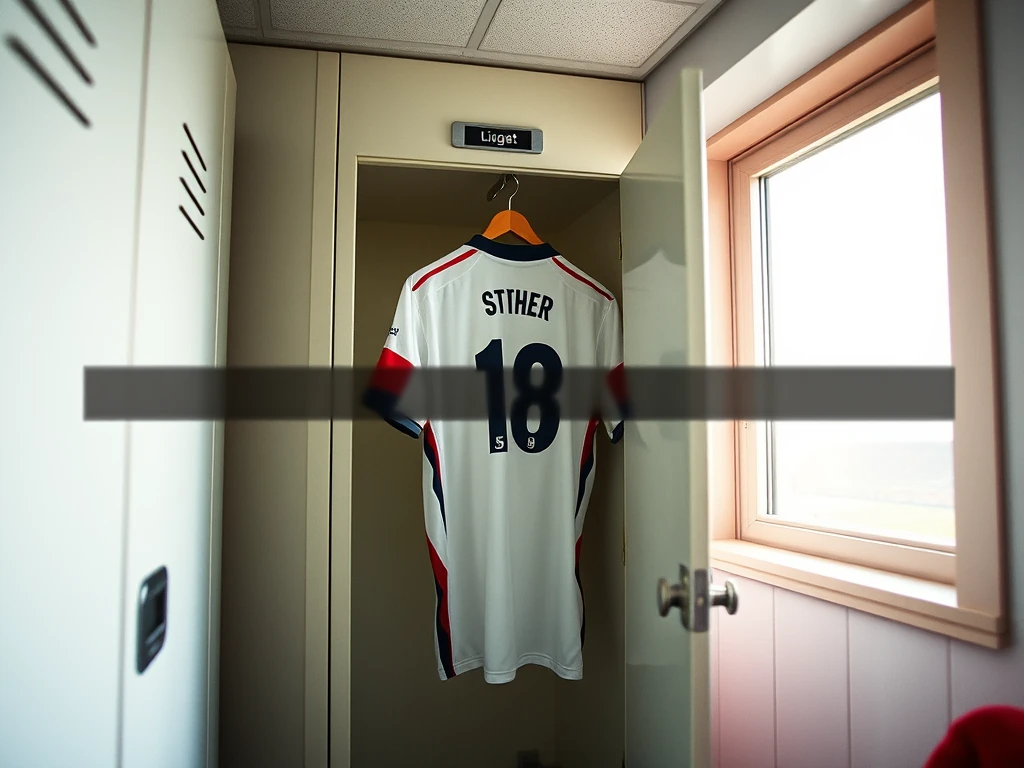

West Ham United Women have deliberately paused the proposed equity sale, a decision analysts argue shields the club’s valuation as the Women's Super League restructures its commercial model.
The club’s owners, led by David Sullivan, halted talks after the FA announced NewCo - a central body that will manage media rights and revenue distribution for the WSL. Selling a stake before NewCo’s deals settle would lock West Ham Women into a depressed price, according to finance specialists. The timing aligns with a broader market slowdown, where investors are wary of buying into a league still adjusting to new revenue streams.
Separating the women’s side from the men’s operation would cut off shared resources such as training facilities, joint sponsorship packages, and the global brand pull of the Premier League. A minority investor taking a 30% stake would gain limited influence over shirt‑deal negotiations, leaving the women’s side to negotiate on its own, often for far less revenue than an integrated package can command.
By keeping the women’s team under the same corporate umbrella, West Ham preserves its ability to cross‑sell commercial deals and maintain a unified academy pipeline. The club can wait for NewCo’s revenue‑sharing model to stabilise, then negotiate a sale at a higher multiple. This strategic patience also avoids governance friction that often accompanies external private‑equity partners demanding quick returns.
Clubs like Chelsea and Arsenal benefit from deep pockets and established men’s brands, allowing them to subsidise their women’s squads. West Ham United Women, however, operate with a tighter budget and cannot simply outspend rivals without risking Financial Fair Play breaches. The decision to pause the sale reflects a realistic appraisal of the club’s financial constraints and the evolving league economics.
The club will monitor NewCo’s rollout, particularly the timing of centralized broadcast deals slated for 2027. Once the market shows clearer pricing signals, West Ham United Women may revisit the sale, potentially attracting investors who value a fully integrated club structure. Until then, the focus remains on strengthening the squad, expanding community outreach, and leveraging the men’s brand to boost attendance beyond the current average of roughly 3,000 fans per match.
Bottom line: The stalled sale is not a sign of crisis but a calculated move to protect West Ham United Women’s long‑term financial health as the WSL undergoes a major commercial transformation.