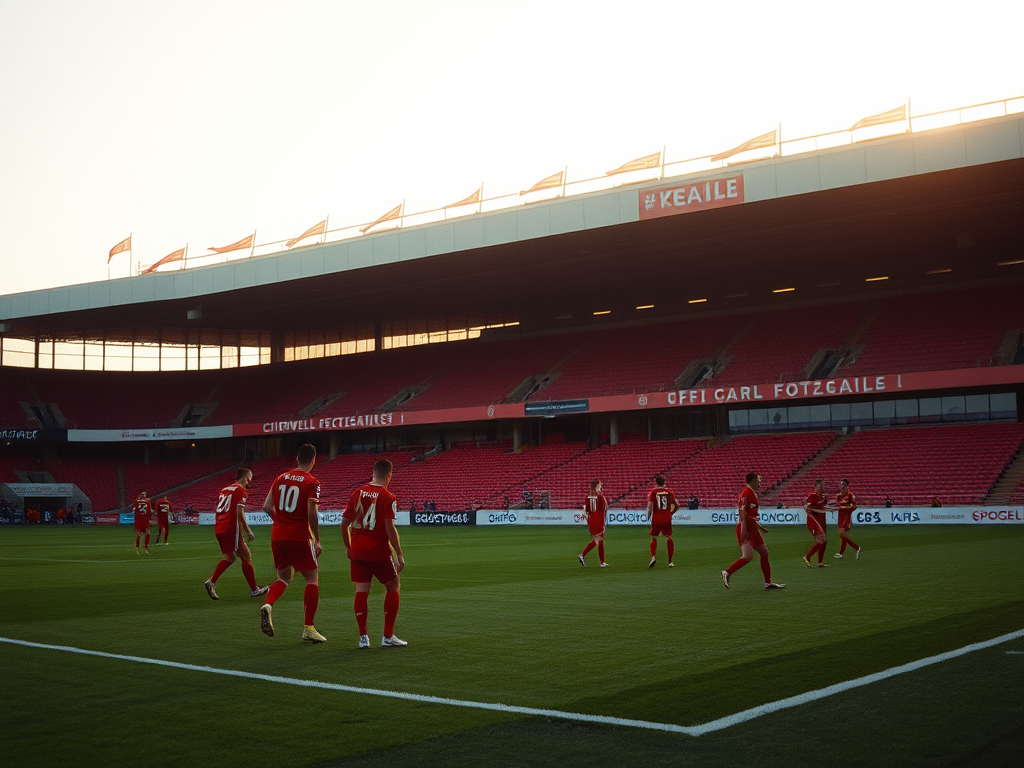
 West Ham United Women
Analyzing West Ham Women's Tactical Shifts for Enhanced Performance
As the Hammers continue their campaign in the Women's Super League, the recent performances have brought both promise and frustration. The tactical setup under manager Paul Konchesky has shown glimpses of brilliance, yet inconsistencies have prevented the team from finding a rhythm and achieving desired results. To capitalize on their strengths and address vulnerabilities, a few tactical tweaks could make a significant difference in the Hammers' ongoing quest for improvement.
Current Tactical Setup
In recent matches, West Ham have predominantly employed a 4-2-3-1 formation, which allows for both defensive stability and attacking fluidity. The double pivot in midfield has provided a solid base, with players like Emily van Egmond and Kenza Dali contributing to both defensive duties and transitions to attack. However, the effectiveness of this setup has been undermined by a lack of cohesion in the final third, where the forwards have struggled to convert chances into goals.
Key Tactical Tweaks
1. Enhance Width and Depth
One of the most apparent areas for improvement is the utilization of width in attack. The Hammers often find themselves congested in the middle, making it easier for opposition defenses to read their play. By utilizing the full-backs more aggressively and encouraging them to overlap the wingers, West Ham can stretch the opposition and create more space for attacking transitions. Players like Hawa Cissoko and Grace Fisk possess the pace and stamina needed to exploit these wide areas effectively.
2. Fluidity in the Forward Line
The attacking trio behind the striker must develop a more fluid approach to their movement. Currently, the forwards tend to occupy static positions, which can lead to predictability in their play. Encouraging players like Dagny Brynjarsdottir, who has the ability to drift into different areas of the pitch, to interchange positions with the wingers can create confusion for defenders and open up goal-scoring opportunities. This fluidity can also draw defenders out of position, allowing for late runs from midfielders into the box.
3. Increased Pressing Intensity
Defensively, while West Ham has shown resilience at times, an increase in pressing intensity could disrupt the opposition’s build-up play and create more turnover opportunities high up the pitch. Implementing a more aggressive pressing strategy, particularly when the opposition is in their defensive third, can lead to quick transitions and capitalize on mistakes. This requires a collective effort from all players to coordinate their pressing triggers effectively.
4. Set-Piece Strategy
Set pieces have become an underutilized weapon for the Hammers this season. With players like Kate Longhurst and Alisha Lehmann, who possess strong aerial abilities, it’s crucial to develop set-piece routines that can exploit these strengths. A revised approach to corner and free-kick situations, focusing on varied deliveries and movement patterns, could yield additional goals that are critical in tight matches.
Conclusion
As West Ham United Women aim to navigate the challenges of the Women's Super League, embracing tactical adjustments can be the key to unlocking their potential. By enhancing width in attack, promoting fluidity among forwards, increasing defensive pressing, and refining set-piece strategies, the Hammers can not only become a more formidable side but also foster a sense of unity and purpose that can drive them toward their objectives. The tactical evolution is not just about changes on the pitch; it’s about creating a mindset that embraces growth and adaptability—a hallmark of any successful team.