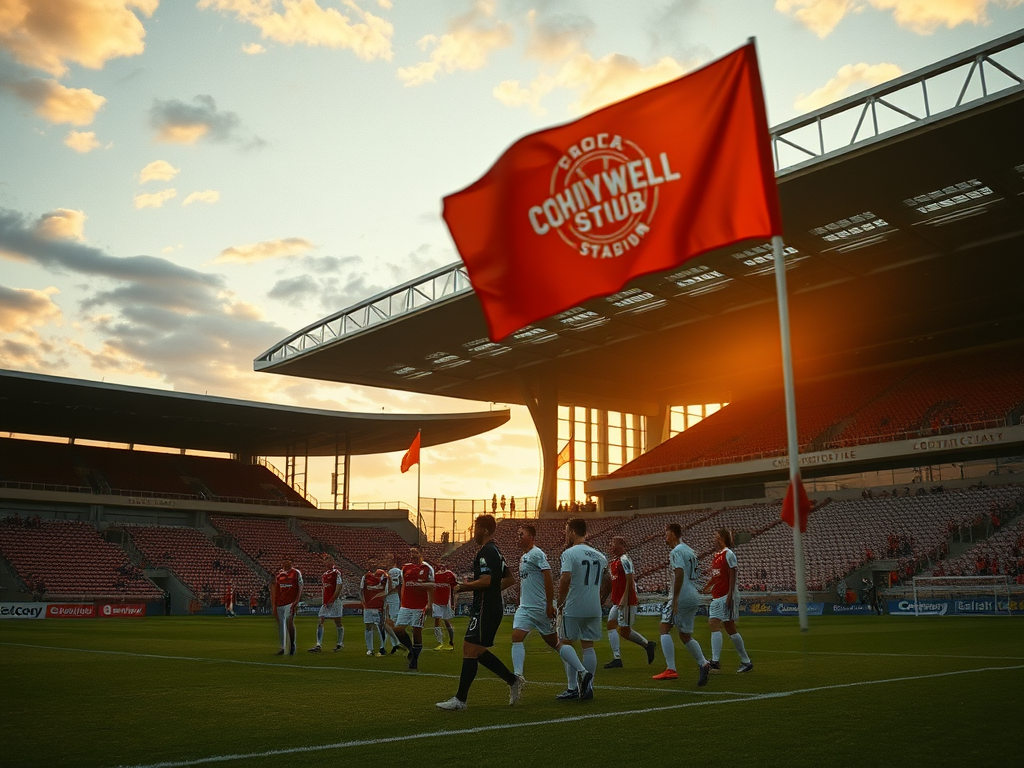
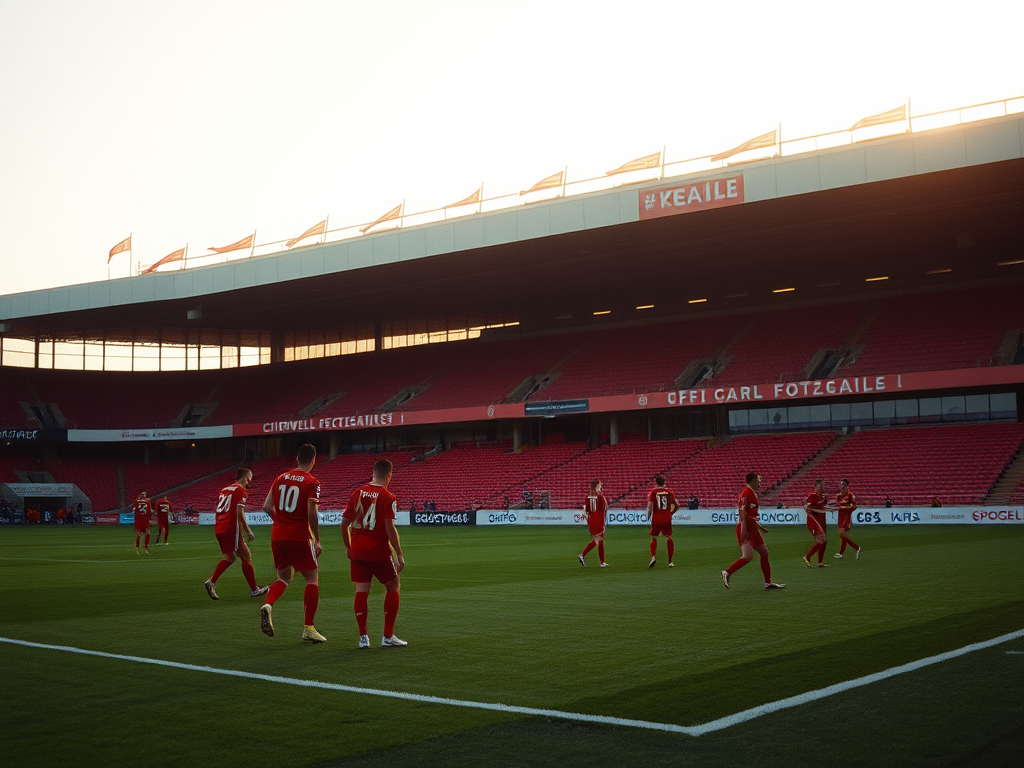
 West Ham United Women
As the dust settles on a significant shift in leadership, West Ham United Women stand at a crossroads filled with potential. The departure of David Sullivan has stirred excitement among fans and stakeholders alike, sparking discussions about the club's immediate future and the direction it will take in the Women's Super League. In a recent conversation, Hammers United co-secretaries Andy Payne and Andrew McConnell shared insights that could define the club's next chapter.
The End of an Era
David Sullivan's tenure at West Ham has been marked by both progress and controversy. While his contributions to the club’s financial stability cannot be overlooked, his leadership style has often been scrutinised. The recent announcements hint at a shift not just in personnel but in the overall philosophy of the club.
The departure brings a sense of hope for many fans, who have long called for a change in approach towards club management. With Sullivan's exit, the potential for new investment and fresh ideas could invigorate the squad and enhance the experience for supporters. This transition represents a chance for West Ham United Women to redefine their status in the league, focusing on sustainable growth and competitive success.
What to Expect from the New Leadership
The Hammers United co-secretaries have expressed optimism about the club's future. They emphasized the importance of community engagement and listening to the fans, which they believe will be crucial for success moving forward.
In their discussion, Payne and McConnell outlined several key areas of focus: - Youth Development: Investing in the academy to nurture local talent. - Women's Football: Prioritizing the women's team in financial and promotional efforts. - Fan Engagement: Enhancing communication and involvement with the supporter base. - Sustainability: Commitment to ethical practices in club operations.
This fresh approach aims to not only build a competitive team on the pitch but also to foster a strong community off it. By prioritizing these aspects, West Ham could create a resilient club culture that resonates with fans and players alike.
The Impact on Player Recruitment and Retention
With the leadership change, the recruitment strategy will likely evolve. The Hammers have been active in the transfer market in recent seasons, but a new vision could shape the types of players the club targets.
Manager Paul Konchesky must now consider how to attract top talent while retaining existing stars. The potential for enhanced investment could allow for more ambitious signings, making West Ham a more attractive destination for players.
Moreover, retaining key figures within the squad is essential. Players like Rachel Daly and Alisha Lehmann have become integral to the team's identity, and ensuring their commitment will be paramount during this transitional period.
The Wider Landscape of Women’s Football
The departure of a long-standing figure like Sullivan coincides with broader changes in women’s football. The Women's Super League is becoming increasingly competitive, with clubs like Chelsea, Manchester City, and Arsenal setting high standards.
West Ham's position in this landscape is crucial. The club has shown glimpses of potential but must consistently perform to climb the league standings. The new leadership can capitalize on the growing popularity of women's football, ensuring the club not only competes but thrives in this vibrant environment.
The investment in women's football across the league has never been higher, and now is the time for West Ham to stake its claim as a serious contender. This means not only focusing on immediate results but also laying down long-term strategies that will yield success for years to come.
Fan Reaction and Outlook
The reaction from fans has been overwhelmingly positive following Sullivan's departure. Many supporters feel a renewed sense of optimism and are eager to see how the new leadership will shape the future of the club.
Hammers United has played a critical role in voicing the fans' opinions and desires for the club’s direction. The insights from Payne and McConnell have resonated well, highlighting the importance of a collaborative effort between the club's management and its supporters.
Fans are particularly interested in how the club will bolster its women's team, especially given the increased visibility and support for women's football. The hope is that this transition leads to not just better performances on the pitch but also a more inclusive and supportive environment for all involved.
What’s Next
As West Ham United Women look to the future, the focus will be on solidifying their place in the Women's Super League while embracing the change in leadership. The upcoming season will be pivotal, with new strategies needing to be implemented quickly to ensure a competitive edge.
The club's ability to adapt and grow in this changing landscape will define its success. With a fresh perspective and a commitment to community and development, West Ham United Women could very well be on the brink of a new and exciting era in their history.